Helicopters are brilliant but...
For many New Zealand landowners, helicopter spraying has been the only viable option for steep, wet, or inaccessible terrain. But helicopter operations carry substantial fixed costs — mobilisation, pilot fees, fuel, and minimum booking windows — that make small or irregular jobs prohibitively expensive.
For a 5 to 10 hectare block, the cost of getting a helicopter on-site can dwarf the actual spraying time. You're paying for capacity you don't need. Drones bring a price point that makes many operations viable or more cost-effective compared with helicopters.
Drones compared to ground-based techniques
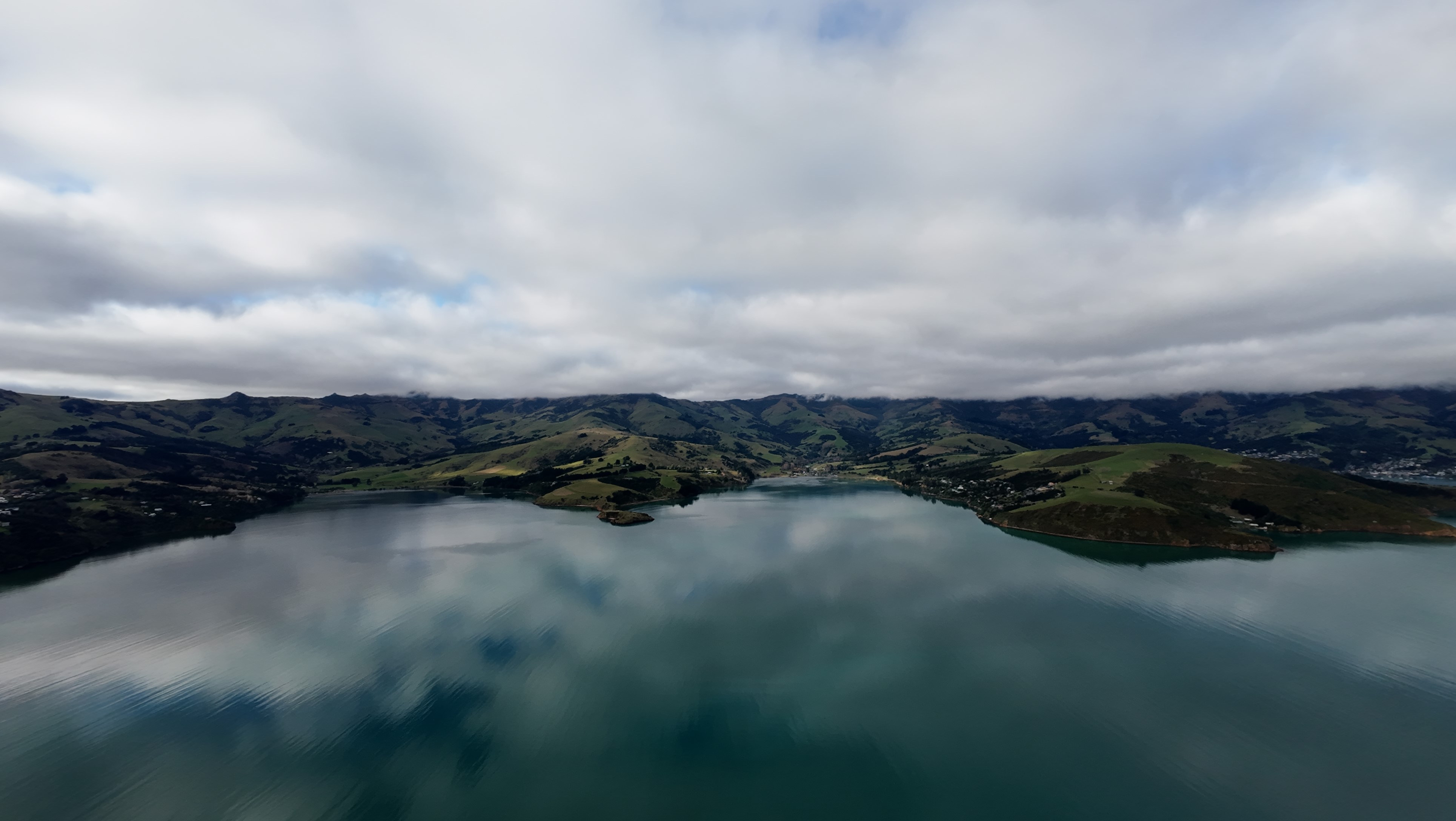
Aside from a completely new visual perspective. Filming, spraying, and spreading from the air eliminates damage to sensitive areas like wet paddocks, sensitive soils, delicate crops or quarantine areas. A drone operates over all of these without leaving tracks, compacting soil, or waiting for conditions to change.
For pastoral operations that can't afford to wait, this is a distinct advantage.
Drones have the ability to operate in areas where ground machines are not effective, such as steep hills, cliffs, waterways, and several smaller, dispersed areas. A drone makes many jobs viable that weren't before.
Precision that other systems can't match
Drone spraying isn't just cheaper for difficult terrain — it's more precise everywhere. The onboard computer delivers precise flow rates based on speed, ensuring consistent application regardless of terrain variation. GPS tracking creates a verifiable record of exactly what was applied, where, and when.
This level of documentation has real value for compliance, for verifying contractor work, and for record-keeping under increasingly stringent environmental rules.
Added to this, the downdraft from a drone's rotors pushes the spray to where it is needed.
Reduced chemical use
Studies consistently show drone spraying reduces chemical use compared to traditional methods. Targeted, GPS-guided application means less overlap, less drift, and less overspray — often reducing product volumes by 20–40% while achieving the same or better results.
For operations where chemical cost is a major line item, this saving alone can justify drone spraying.